
If you’ve noticed that climbing a simple flight of stairs or taking a deep breath feels harder than it used to, you’re not alone.
Over 170 million adults experience subtle changes in their daily respiratory capacity over time.
Recent health insights highlight key biological factors that influence how our bodies process oxygen as we age—and how supporting natural lung vitality can help you feel like yourself again.
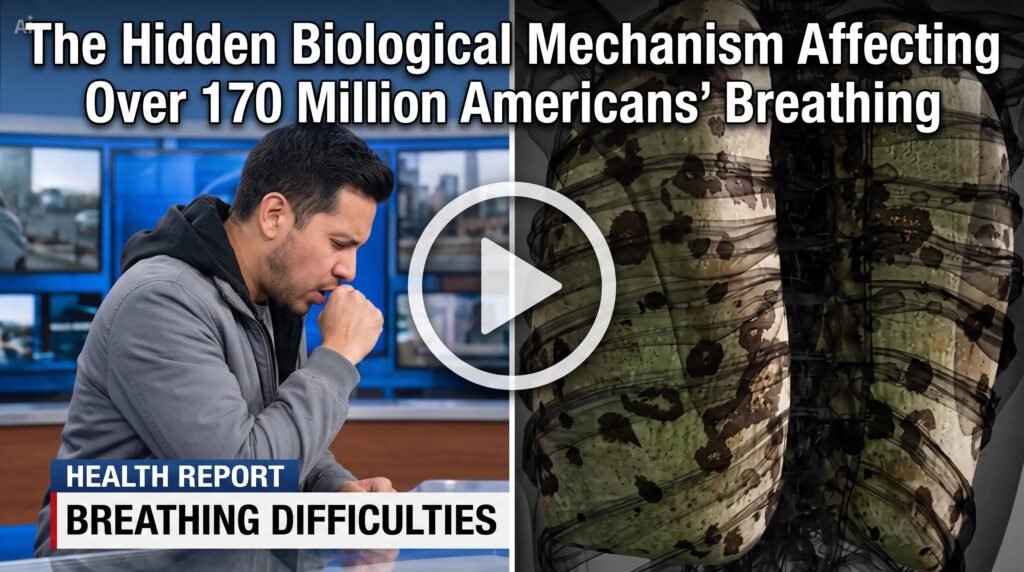
What you’re about to discover in this full presentation isn’t about traditional lifestyle changes—it’s the hidden truth behind your respiratory system you were never told..
- Understand the Biological Shift: Discover why standard daily habits might not be enough to preserve the effortless, deep breathing you enjoyed in your youth—and what’s really happening inside your airways.
- Reclaim Your Daily Independence: Imagine walking up stairs, playing with family, or enjoying outdoor activities without feeling slowed down or reaching for support halfway through.
- Support Clear, Healthy Mucus Flow: Learn how natural biological pathways keep respiratory passages clear from everyday environmental stressors and buildup.
- Boost Vital Energy Naturally: See how optimal oxygen absorption directly influences your daily stamina, sleep quality, and overall sense of vitality.
Additional Resources & Background Research
The Hidden Biological Mechanism Affecting Over 170 Million Americans’ Breathing (And How to Support Clear Airflow Naturally)
To fully comprehend modern respiratory challenges, one must examine both the history of environmental human exposure and the intricate cellular pathways of the human respiratory system. Today, an estimated 170 million Americans experience subtle, progressive declines in respiratory stamina and airflow efficiency. While many attribute this gradual reduction in lung capacity to standard aging, physiological research points to a deeper, overlooked biological mechanism: chronic micro-inflammation, alveolar membrane stiffening, and impaired mucociliary clearance driven by ambient particulate exposure.
1. Historical Context: How Modern Environments Altered Human Respiratory Biology
For thousands of years, human respiratory physiology evolved to handle natural airborne particulate matter—primarily dust, wildfire smoke, and plant pollen. The human airway developed a sophisticated defense matrix known as the mucociliary escalator, a dual-layer system consisting of gel-like mucus that traps foreign invaders and millions of microscopic hair-like structures called cilia that rhythmically sweep particles upward and out of the respiratory tract.
However, the rapid industrialization of the late 19th and 20th centuries fundamentally altered the composition of the air we inhale. The introduction of synthetic combustion byproducts, volatile organic compounds (VOCs), microplastics, and modern particulate matter under 2.5 micrometers ($\text{PM}_{2.5}$) bypassed the body’s primary mechanical filters. Historical public health records from the post-Industrial Revolution era document a sharp inflection point: as urban populations grew, chronic low-grade airway irritation shifted from an occasional seasonal nuisance to a widespread, permanent physiological burden.
2. The Hidden Mechanism: Alveolar Stiffness and Mucociliary Exhaustion
At the center of this modern health challenge is a specific physiological breakdown occurring deep within the lower respiratory tract:
The Alveoli and Elastic Recoil
Deep inside the lungs sit approximately 300 million tiny air sacs called alveoli, wrapped in a dense network of capillaries where oxygen exchanges for carbon dioxide. Optimal breathing relies on the structural elasticity of alveolar tissue, regulated by specialized proteins like elastin and collagen.
When particulate matter or persistent oxidants settle in alveolar spaces, they trigger a localized biological response:
- Macrophage Activation: Specialized immune cells (alveolar macrophages) engulf foreign particles.
- Oxidative Cascade: Activated macrophages release reactive oxygen species (ROS) to breakdown inhaled pollutants.
- Tissue Remodeling: Persistent ROS exposure triggers low-grade tissue remodeling, gradually degrading delicate elastin fibers and replacing them with stiffer connective tissue.
This shift severely compromises the lung’s natural elastic recoil—the physical property that allows lungs to effortlessly expand and contract without extra muscular effort.
Mucociliary Stagnation
Simultaneously, continuous environmental exposure degrades the protective mucus blanket. When mucus becomes abnormally viscous due to chronic dehydration or oxidative stress, the underlying cilia become bogged down. This state of mucociliary exhaustion creates a feedback loop: trapped particles remain in contact with bronchial tissues longer, further intensifying local cellular stress and restricting smooth, open airflow.
3. The Physiological Chain Reaction: From Cellular Fatigue to Whole-Body Stamina
The consequences of diminished alveolar elasticity and compromised airflow extend far beyond the lungs themselves. When the efficiency of oxygen exchange at the alveolar-capillary membrane drops even slightly:
- Diaphragmatic Strain: The body compensates by recruiting secondary respiratory muscles (such as the intercostals and neck muscles), leading to greater physical exertion during routine tasks like climbing stairs or walking briskly.
- Mitochondrial Oxygen Starvation: Because cellular powerhouses (mitochondria) rely on a continuous supply of oxygen to generate adenosine triphosphate (ATP), subtle drops in blood oxygen saturation manifest as general daytime fatigue, brain fog, and decreased physical endurance.
- Autonomic Shift: Chronic respiratory resistance signals stress to the central nervous system, keeping the body in a persistent, low-level sympathetic (“fight or flight”) state, which can negatively impact sleep architecture and cardiovascular resilience.
4. Evidence-Based Strategies to Support Clear Airflow Naturally
While environmental pollutants present an ongoing challenge, understanding respiratory biology allows us to leverage targeted, non-pharmacological interventions to support lung health, clear airways, and preserve tissue flexibility naturally.
Supporting Natural Airway Mechanics
- Promote Mucus Fluidity: Maintaining optimal hydration and incorporating steam inhalation or humidified air directly supports the physical consistency of airway secretions, preventing mucociliary stagnation.
- Engage Deep Diaphragmatic Breathwork: Slow, controlled nasal breathing encourages the production of endogenous nitric oxide in the paranasal sinuses. Nitric oxide acts as a natural bronchodilator and vasodilator, improving airflow distribution to oxygen-hungry alveolar spaces.
- Nourish Cellular Defense Pathways: Consuming nutrient-dense foods rich in botanical polyphenols, flavonoids, and sulfur compounds supports the body’s natural antioxidant systems (such as glutathione synthesis), helping safeguard delicate lung matrix proteins against daily oxidative exposure.
Reclaiming effortless breathing requires moving beyond temporary fixes to address the underlying cellular environment. By reducing particulate burdens, supporting fluid dynamics, and encouraging proper mechanical ventilation, it is possible to maintain clear, resilient airways throughout every stage of life.